Should You Buy First or Sell First?
A Real-Life Example of Why Timing Matters
One of the most common questions homeowners ask when they're preparing to move is: "Should I buy my next home before selling my current one, or should I sell first?"
The answer depends on your finances, goals, and comfort level with risk. While every situation is different, understanding the pros and cons of each approach can help you make a more informed decision.
Recently, I helped a couple navigate this exact challenge, and their experience is a great example of why planning and flexibility are so important when buying and selling at the same time.

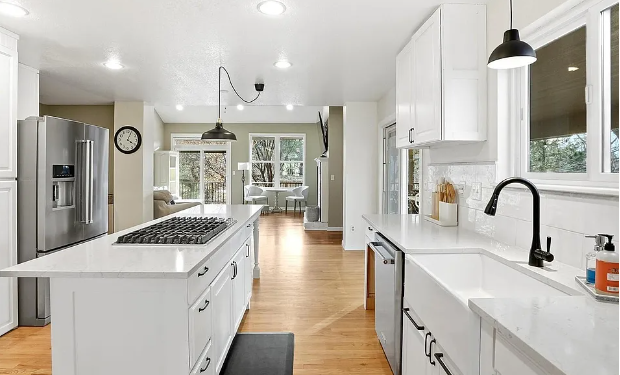
SOLD - 2480 W Jamison Way Littleton, CO 80120
The Appeal of Buying First
In a perfect world, many homeowners would purchase their next home before selling their current one.
Buying first gives you more flexibility. You can move on your own timeline, avoid temporary housing, and take your time preparing your current home for sale.
The challenge is that many homeowners need the equity from their existing home to make the next purchase. Carrying two mortgages at once is often not practical, and qualifying for a second mortgage can be difficult without selling first.
Why Many Homeowners Choose to Sell First
For homeowners who need the proceeds from their current home, selling first is often the most financially responsible option.
The benefit is knowing exactly how much equity you'll have available for your next purchase. The downside is that timing becomes critical.
Once your home is under contract, the clock starts ticking. You need to find the right replacement property, negotiate a contract, secure financing, and coordinate closing dates, all while managing the sale of your current home.
That's where things can get interesting.
A Real Client Example
My clients decided to sell their home before purchasing their next one.
Initially, everything was moving according to plan. We successfully got their home under contract and began working toward closing while simultaneously searching for their replacement property. Then the unexpected happened.
During the inspection process, roofing concerns were identified on the home they were selling. Fortunately, the roof was still covered under warranty, but replacing it required coordinating the removal and reinstallation of solar panels before closing could take place.
At the same time, my clients were actively pursuing their next home. Unfortunately, the first property they went under contract on did not work out, forcing us to quickly pivot and identify another option.
Now we had several moving pieces to coordinate:
- A home sale with repair-related deadlines
- Roofing and solar panel scheduling
- A replacement home search under a compressed timeline
- Financing considerations tied to the proceeds from the sale
- The need to align two separate transactions as closely as possible
As anyone who has bought or sold real estate knows, one transaction can be complicated enough. Coordinating both simultaneously requires careful planning and constant communication between all parties involved.
The Outcome
Despite the challenges, everything came together successfully. My clients closed on the sale of their existing home and the purchase of their new home on the same day. What could have become a stressful and uncertain situation ultimately resulted in a smooth transition from one home to the next.
The Lesson
Real estate transactions rarely follow a perfectly straight path. Inspection issues arise. Repairs become necessary. Contracts fall apart. Timelines shift.
The goal isn't to avoid every obstacle. The goal is to have a strategy in place and a team that can adapt when unexpected challenges occur.
If you're considering a move and wondering whether it makes more sense to buy first or sell first, the right answer depends on your specific financial situation, timeline, and goals. Every homeowner's circumstances are unique, which is why having a plan before you list your home can make all the difference.
If you're thinking about making a move in the Denver area and want to discuss your options, I'd be happy to help you evaluate the best strategy for your situation.
